

5 iPad Limitations You Won't Find On Android Tablets
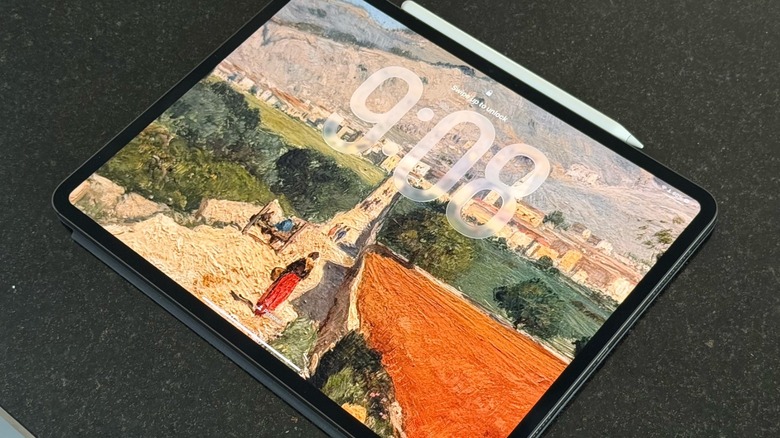
After all these years, the iPad can still be considered the peak of what a modern tablet can do. Though that doesn't mean that it's a perfect device. Having owned multiple iPads over the past decade, I've seen so many people switch to Android tablets for multiple reasons, including the iPad's price, the lack of software customization, and the lack of an SD slot. Whatever the reason, the iPad still has limitations that Android tablets bypass, which is likely because it has a bigger market competition, and companies try to differentiate themselves by offering extra perks.
Even though Apple has done a pretty good job offering a wide range of iPad models in different price tags, from slightly over $300 on the base model to two versions of the iPad Pro costing a few thousand dollars in its most spec-up configuration. There are still several reasons that an Android tablet could be a safer choice for users who don't want to spend as much as a MacBook Pro on a device that won't be able to perform the same tasks as efficiently as one.
Different browsers
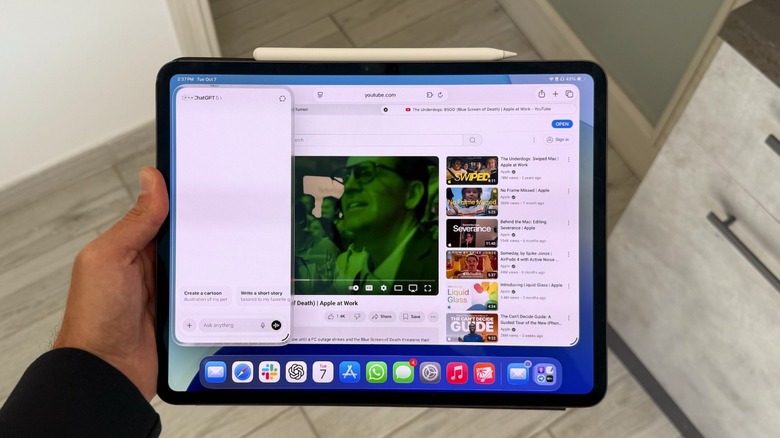
One of the iPad's key limitations is that Apple requires developers to use WebKit to develop their browsers on iOS and iPadOS systems. While the EU's Digital Markets Act forces Apple to allow third-party web engines for iOS and iPadOS, sources familiar with the matter tell BGR that updating and/or building an engine from the ground up to use on the iPad for a limited number of users is just not worth it. It's one of those cases where the legislation might have a good intention, but the practicality of it doesn't make sense for companies to deploy their own versions, so users are limited.
For Android, on the other hand, Google's software doesn't have that limitation. While it's true that most browsers run on Chromium, Google allows and welcomes third-party engines on Android, so you can have more options. If you really want to take advantage of a non-Safari browser, an Android tablet might make your life a lot more in sync than Apple.
Third-party app stores
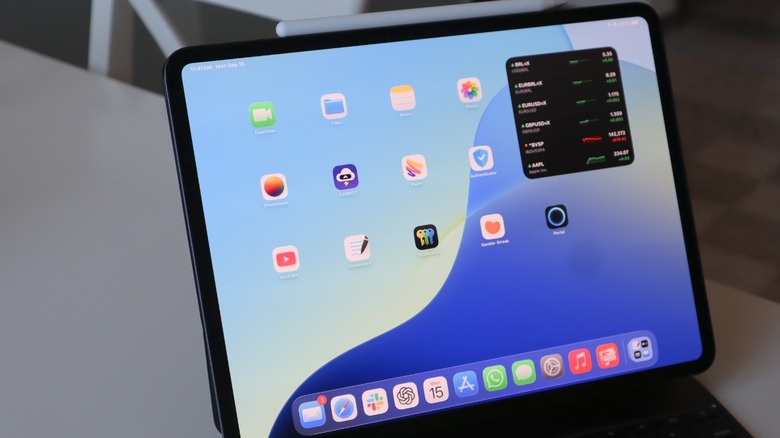
Another feature that is slowly changing globally is the ability to use third-party app stores. Apple already needs to offer them in Europe, and Brazil is getting everything done to follow the same path. However, depending on the country you're based in, there's no way to download third-party apps or search for them in different marketplaces. Apple says that not offering third-party marketplaces is a way to protect users from malware, companies trying to exploit their data, and so on. Still, since Mac users can download apps from whatever store they feel like, it doesn't make much sense that iPhone and iPad users are still limited to Apple's App Store rules.
For Android users, the primary method of downloading apps is through the Google Play Store, but if they have a Samsung tablet, then they probably use the Samsung Store. Google, unlike Apple, always offered the ability to allow more vendors to distribute apps on its platform, which means that you can get a wider variety of games, tools, and other software. That said, users have more options to choose from on Android tablets. While iPad users do have a few very good exclusive apps available, the general offering is more vast on Android, and customers can decide how they want to experience their favorite apps.
Storage space limitations
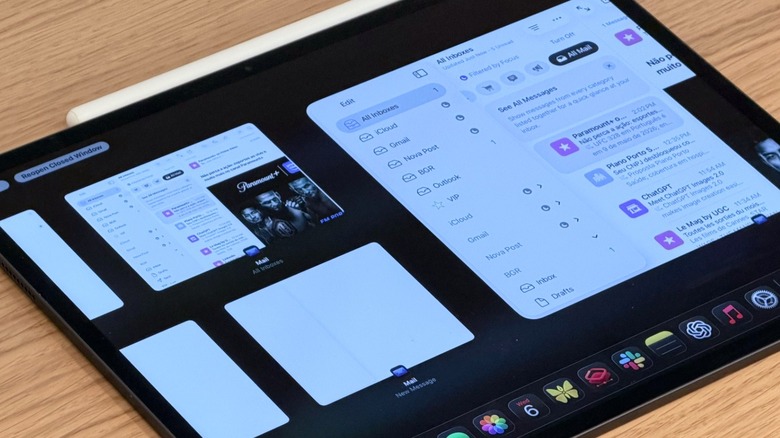
As of March 2025, Apple started being more generous with its storage on its tablets. However, if you do have an iPad that is a couple of years old, there's a big chance that it still only features 64GB of storage. A tablet with that amount of storage not only fills up quickly, but the only way to actually update its software is by factory resetting it or using a Mac to perform the update. With that, even though users could theoretically still update their like-new iPads, they just don't because it takes a lot of effort for something that should've been simpler.
Fortunately, Apple now sells all iPads with a minimum of 128GB internal storage, which is usually enough to get most necessary apps and fill it up with photos, in addition to enough space to update their devices to the latest software update. Android users, on the other hand, usually have more generous storage options available. And if they are worse than Apple's 64GB, there's typically an expandable SD or microSD card slot, so a considerably affordable Android device can suddenly have 512GB of storage. This is especially useful for customers on a budget, photographers, editors, and more.
Limited customization
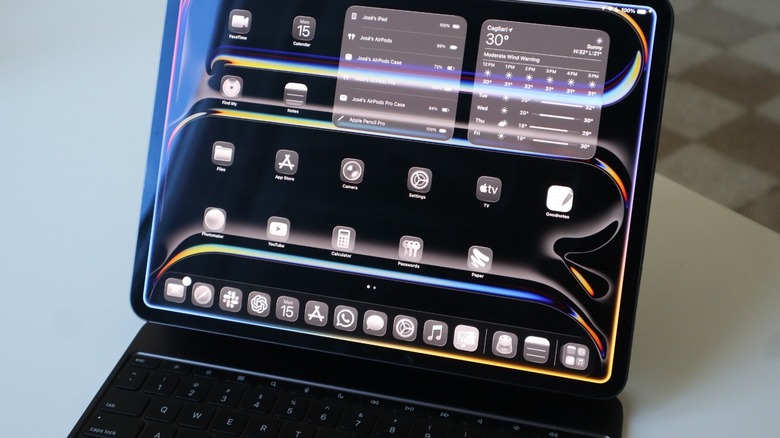
Android devices offer plenty of customization for their users. While Apple has come a long way to allow users to change icon colors, themes, and more, the level of customization available on Android is still unmatched. Google allows Android users to choose main apps, really change the look of Android (for both manufacturers and users), while Apple still requires iPhones and iPads to look a certain way, use a certain amount of memory, and even requires some apps to really be the default ones, like the Wallet and Phone app.
While governments are trying to make Apple open up its system, with Europe being the main force behind these changes, Android users have had the ability to choose what they actually want on their devices for years. Even though iOS and iPadOS look different than they did half a decade ago, the changes are still very slow compared to what users can do on Android.
Widgets, for example, have been available for ages on Google's platform, just like the ability to customize the Home Screen. For Apple, some of these changes only arrived with iOS 17, iOS 18, and iOS 26. Still, it doesn't mean users are free to do whatever they like on their own iPads, and customers who value this extra level of customization will be happier with Android counterparts.
General pricing
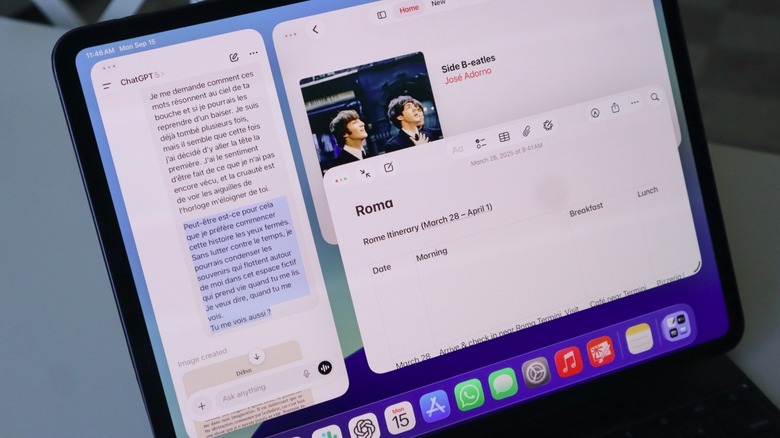
Finally, a big limitation of the iPad is its general pricing. While Apple offers a wide range of iPads at different price tags, getting a tablet from Apple can still be really expensive. For example, Samsung offers a tablet and its accessories for around the same price Apple charges for the iPad Pro. For instance, if you want a big iPad Pro with a Magic Keyboard, slightly more storage, and an Apple Pencil Pro, you'll pay close to $2,000, while Samsung will make a similar offer under $1,000.
It's the same way for Apple's cheaper offerings. The iPad might cost $349, but if you add a USB-C Apple Pencil and a Magic Keyboard Folio, it's like buying two tablets, or more than a MacBook Neo, which will be able to do more than Apple's iPads. Since the Android market features a wide range of tablets from different brands, customers can get a highly specced up device with several accessories costing the same, or sometimes even less, than just an iPad.
What makes these tablets so enticing is that if you want to use them to write, draw, or work, you'll need a keyboard or a pencil. If these accessories come with the product, then you can have a more enjoyable experience right out of the box, but Apple requires customers to pay significantly more to actually unlock its tablet's capabilities.